How Fast Do Oak Trees Grow? What to Expect Year by Year
Gardeners often ask how fast do oak trees grow before they commit a corner of the yard to one. The honest answer is slower than a maple or a willow, but far from static. An oak typically adds somewhere between 6 and 24 inches of height each year, depending on species, climate, and care. That range covers everything from a red oak racing upward to a white oak taking its time. This guide breaks that growth down year by year, so you know what to expect and how to this resource to plan around it.
Quick answer: Most oaks grow 1 to 2 feet per year once established, with fast species like red and pin oak near the top of that range and white oak slower. Expect little visible growth in the first year or two while roots settle. Give the tree full sun, deep watering in dry spells, and plenty of root space.
What is fast do oak trees grow?
Oak growth speed is best understood as a range tied to species and conditions, not a single number. Two oaks planted on the same day can differ by several feet after a decade. The tree’s genetics set a ceiling, and soil, water, and sunlight decide how close it gets to that ceiling.
Two broad groups matter here. Red oaks, which include red, pin, scarlet, and willow oak, carry pointed leaves and grow quickly. White oaks, including white, bur, and chestnut oak, carry rounded leaves and grow slowly. A red oak might reach 20 feet in ten years. A white oak often takes closer to fifteen years for the same height.
Growth also follows a clear pattern. Newly planted oaks spend their first season or two building roots. Top growth is modest, sometimes only a few inches. Year three usually brings a visible jump. From there, a healthy tree settles into a steady annual rhythm until it nears maturity.
Maturity arrives slowly. Most oaks keep gaining height for 60 to 100 years, then widen their crowns for decades more. The payoff is a long-lived shade tree that may outlast the person who planted it.
A red oak adding 2 feet a year sounds impressive until you compare it with a silver maple that can add 3 to 5 feet annually. Oak speed sits in the middle of the shade-tree spectrum.
Takeaway: Judge an oak’s pace by its type. Red oaks reward patience within a decade; white oaks test it for longer.
Why fast do oak trees grow matters
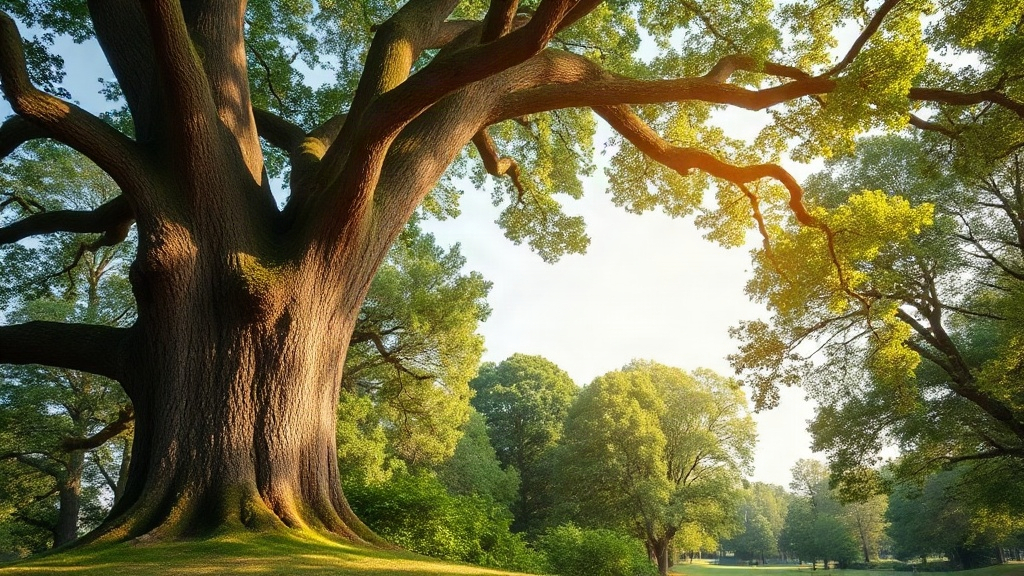
Planting an oak is a decades-long decision, and growth rate shapes almost every practical choice around it. A homeowner choosing a shade tree needs to know when the canopy will actually cast shade. A 2-foot annual gain means meaningful relief in 10 to 15 years, not next summer.
Spacing is the second reason growth speed matters. Fast-growing oaks spread wide crowns, often 60 to 80 feet at maturity. Plant one 15 feet from a driveway and the roots and branches will become a problem. Knowing the pace helps you site the tree correctly the first time.
Growth rate also signals tree health. An oak that should add a foot a year but manages two inches is telling you something about its soil, water, or roots. A slow tree is not always a sick tree, but a sudden stall deserves a look.
Budget and timing follow too. Larger nursery stock costs more, and a faster species may justify the expense because it fills space sooner. Slower white oaks often make more sense as small saplings if you are willing to wait.
Takeaway: Growth rate tells you when to expect shade, how far to space the tree, and whether the tree is thriving.
Best practices
Good care in the first five years sets the pace for the next fifty. Focus your effort there.
Match the species to your site
Choose a red or pin oak for speed and a white or bur oak for longevity and drought tolerance. Check your hardiness zone and soil drainage before buying. Pin oaks tolerate wet ground; most others want well-drained soil. A mismatched tree will grow slowly no matter how well you water it.
Plant at the right depth and width
Dig a hole two to three times as wide as the root ball but no deeper than its height. The root flare, where trunk meets roots, must sit at or just above soil level. Plant too deep and the tree stalls for years. Remove burlap and loosen circling roots before backfilling.
Water deeply but not often
New oaks need about 1 inch of water per week, from rain or a hose. Water slowly at the drip line so it soaks down. Established trees need help only in extended dry spells. Shallow daily sprinkling encourages weak surface roots and does little for the tree.
If you plan to raise your own tree from seed, you can try acorn water germination to get a sprout started before moving it outdoors.
Mulch and protect the trunk
Spread 2 to 3 inches of mulch in a ring extending to the drip line, keeping it a few inches away from the trunk. Mulch holds moisture and suppresses grass competition. Young oaks also benefit from a trunk guard against rabbits and deer, and from a stake only if the tree cannot stand on its own.
Takeaway: Species choice, planting depth, deep watering, and mulch do more for growth than any fertilizer.
Common mistakes to avoid
Most disappointing oaks trace back to a handful of avoidable errors. Each one slows growth in ways that take years to correct.
Planting too deep
The single most common mistake is burying the root flare. Trees planted too deep often survive but grow sluggishly and develop girdling roots. Check the trunk base after planting. If you see only a straight pole disappearing into soil, dig back until the flare shows.
Overwatering and poor drainage
New gardeners sometimes water daily out of worry. Soggy soil suffocates roots and invites rot. Water deeply once a week and let the top few inches dry between soakings. In heavy clay, plant slightly high and amend the surrounding soil rather than the hole itself.
Fertilizing a struggling tree
More fertilizer is not better. Excess nitrogen pushes soft growth that pests and drought attack easily. Feed only when a soil test shows a real deficiency, and skip fertilizer entirely in the first year while roots establish.
Planting too close to structures
A fast-growing oak near a foundation, driveway, or power line creates expensive problems later. Keep at least 20 feet from buildings and more from underground utilities. Think about the mature crown, not the sapling.
Expecting instant shade
Impatience leads some gardeners to overplant or choose the wrong species. An oak is a long commitment. Plan the rest of the garden to fill in while the tree grows.
Takeaway: Avoid deep planting, daily watering, and premature fertilizing, and give the tree room to reach its full size.
FAQ
How much does an oak tree grow in its first year?
Expect only a few inches to about a foot of top growth. The tree is devoting energy to establishing roots. Steady gains usually begin in the second or third season.
Which oak grows fastest?
Red, pin, scarlet, and willow oaks are among the quickest, often adding 2 feet or more per year in good conditions. White and bur oaks are notably slower.
Can I speed up oak growth with fertilizer?
Fertilizer rarely speeds a healthy oak much and can cause harm if overused. Sun, water, and adequate root space matter far more than feeding.
How long until an oak gives real shade?
A fast species planted as a 6-foot sapling may cast useful shade in 10 to 15 years. Slower white oaks may need 20 years or more.
Do oaks grow faster in pots or in the ground?
In the ground, generally. A pot restricts roots and slows long-term growth. Move a container-grown oak into the ground once it is sturdy enough.
Conclusion
Oak growth is a slow, steady investment rather than a quick win. Red oaks can add up to 2 feet a year, white oaks less, and both spend their early years building roots before visible height arrives. Choose a species suited to your soil and zone, plant at the correct depth, water deeply but infrequently, and mulch well. Avoid deep planting, daily watering, and fertilizer on a struggling tree. Your next step is simple: check your hardiness zone and soil drainage, then pick the oak that fits the space you have. Plant it this season, and the shade will follow in its own time.