How to Position Your HVAC Thermostat
How to Position Your HVAC Thermostat to Give Your HVAC Accurate Readings.
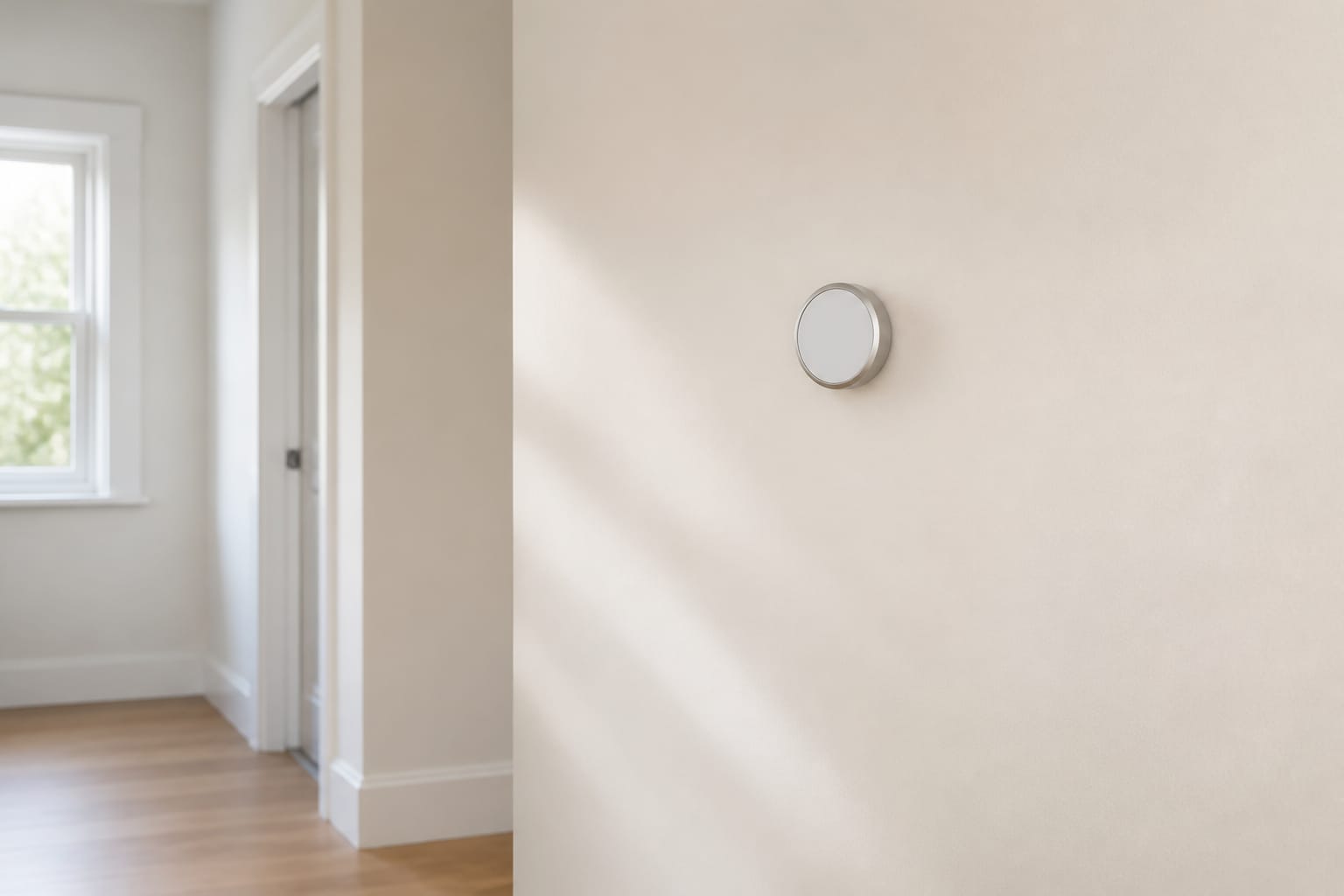
Choose an Interior Wall
Exterior walls are typically cooler in the winter and hotter in the summer than the interior of the same room, due to their proximity to outside air. By placing your thermostat on an interior wall, you can be sure that your heating and cooling system is controlling temperature for the actual space, as opposed to a wall that is trying to regulate temperature for the exterior of your home as well.
Stay Clear of Direct Heat Sources
Another critical issue to consider when selecting a location for your new thermostat is exposure to heat from lights, furniture, TV’s, etc. A location that is in the shade and away from any heat producing items will ensure that your new thermostat will accurately read the temperature of the room and not be affected by localized heat.
Avoid Kitchens, Bathrooms and Laundry Areas
A hallway or living room located away from these hot areas will provide a better indication of the temperature of the rest of the house than a kitchen, bathroom or laundry. Of course a thermostat placed in any of these extremely hot areas will react to the rapid changes in temperature and humidity caused by cooking, hot showers and a tumble dryer, and therefore turn the heating on and off frequently to try and maintain a comfortable temperature in the rest of the house. See also HVAC Williamsport PA.
Mount at Chest Height in a Lived-In Room
Typically, the best height for a thermostat is around 52-60 inches from the floor in a human-occupied room (i.e., not a spare or unused room such as a hall). There are many variables that can impact how well a thermostat reads the air in a room and even a few inches difference in height can have a significant impact on how well it reads the air.
Keep It Away From Vents and Drafts
A lot of different things can interfere with your thermostat reading clean air. Supply vents, return grilles, doors and even the top of a stairwell or the bottom of a stairwell can affect your thermostat’s reading of the air in your home. A blast of warm air from a nearby supply vent can cause your thermostat to believe your home has been heated to the desired temperature. And then there are cold drafts of air from doors and even the top or bottom of a stairwell that can cause your thermostat to believe your home has cooled down. Keep your thermostat several feet away from any of these things to ensure it is reading the air in your home correctly.
For homeowners looking to get the best HVAC system Williamsport PA to fit their needs for comfort and to decrease their heating and cooling bills, it may be surprising to learn how critical it is to properly place a thermostat. The cost for the installation of a new system or for the replacement of a thermostat can be equal to or even greater than the cost of the HVAC unit itself. A competent HVAC technician that meets the standards of heating and cooling contractors with accredited credentials will include the proper placement of a thermostat in the cost of installation for new systems or for the replacement of thermostats.
Getting the placement of your HVAC thermostat right the first time is the end of it.