How to Grow Plants Using Companion Planting Techniques
Companion planting is a gardening method that pairs different plants together for mutual benefits. This traditional technique has been used for centuries by farmers and gardeners around the world. By understanding which plants work well together, you can create a thriving garden that naturally resists pests, improves soil health, and increases yields.
Understanding the Basics of Companion Planting
Companion planting works by creating beneficial relationships between plants. Some plants release chemicals that repel harmful insects, while others attract pollinators. Additionally, certain plants can improve soil nutrients for their neighbors. This natural approach reduces the need for chemical pesticides and fertilizers.
The concept is simple yet powerful. When you place compatible plants near each other, they support one another’s growth. For example, tall plants can provide shade for sun-sensitive crops. Meanwhile, deep-rooted plants bring nutrients up from lower soil layers, making them available to shallow-rooted neighbors.
Benefits of Companion Planting
Companion planting offers numerous advantages for your garden. First, it naturally controls pests without harmful chemicals. Many herbs and flowers repel insects that would otherwise damage your vegetables. Therefore, you can reduce or eliminate pesticide use entirely.
Second, this method maximizes garden space efficiently. You can grow more food in less area by combining plants with different growth patterns. Vertical growers pair well with ground-covering plants, using every inch of your garden bed.
Third, companion planting improves soil health naturally. Legumes like beans and peas fix nitrogen in the soil, which benefits nearby plants. Furthermore, diverse plantings prevent soil depletion that occurs with monoculture gardening.
Classic Companion Planting Combinations
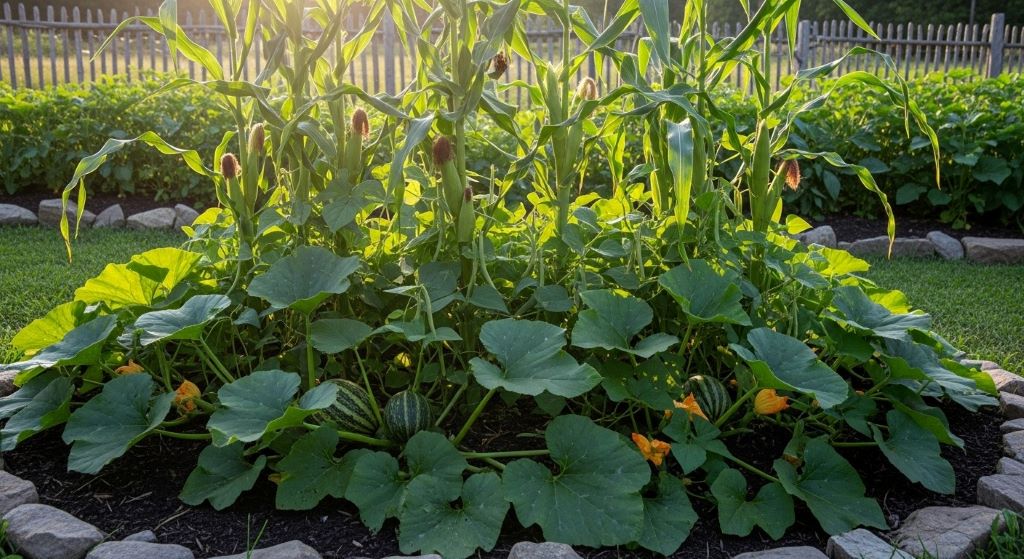
The “Three Sisters” method is perhaps the most famous companion planting technique. Native American farmers traditionally grew corn, beans, and squash together. The corn provides support for climbing beans, while beans add nitrogen to the soil. Meanwhile, squash leaves shade the ground, retaining moisture and preventing weeds.
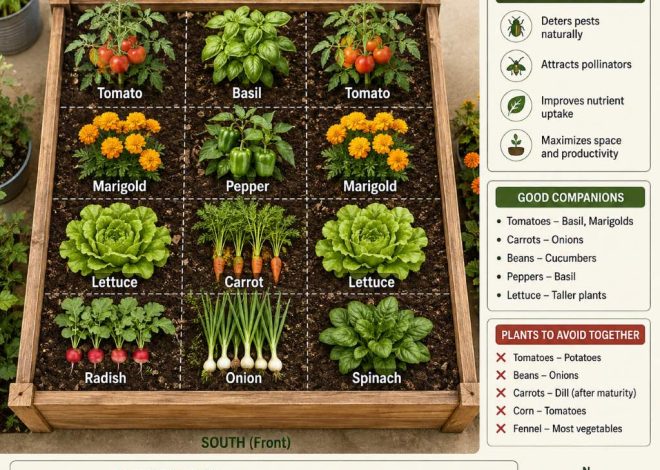
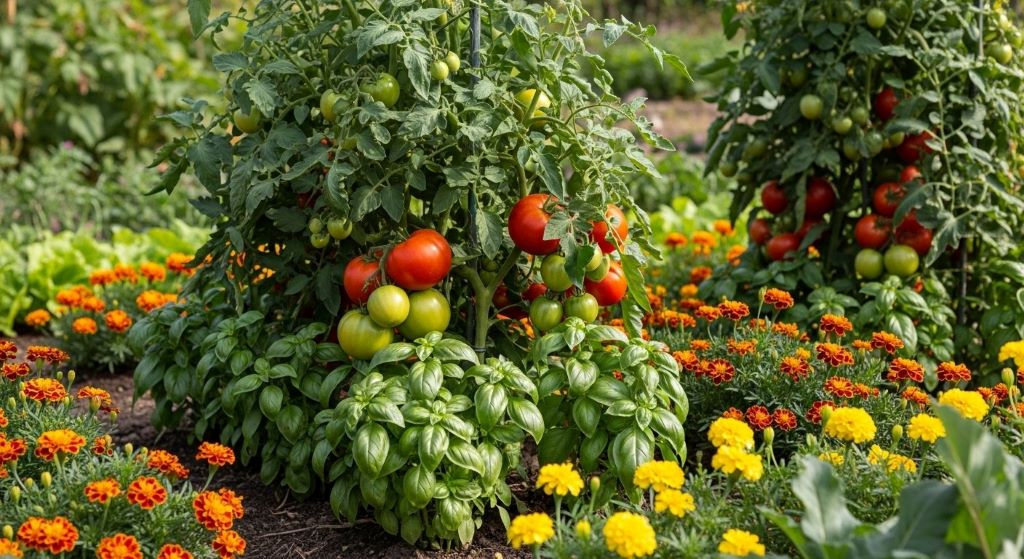
Tomatoes and basil make another excellent pairing. Basil repels aphids, whiteflies, and hornworms that commonly attack tomato plants. Additionally, many gardeners believe basil improves the flavor of tomatoes. This combination works perfectly in both garden beds and containers.
Carrots and onions also work wonderfully together. Onions repel carrot flies, while carrots help deter onion flies. However, you should avoid planting carrots near dill, as dill can stunt carrot growth. Planning your combinations carefully ensures success.
Plants That Repel Pests Naturally
Many aromatic herbs serve as natural pest deterrents. Marigolds are particularly effective at repelling aphids, mosquitoes, and nematodes. Plant them throughout your garden as a protective border. Their strong scent confuses and repels many harmful insects.
Nasturtiums act as trap crops, attracting aphids away from your vegetables. These colorful flowers are sacrificial plants that protect more valuable crops. Furthermore, nasturtium leaves and flowers are edible, adding beauty and flavor to your garden.
Garlic planted near roses helps prevent black spot disease and aphid infestations. The strong sulfur compounds in garlic discourage many pests. Similarly, chives planted around fruit trees can prevent apple scab and other fungal diseases.
Combinations to Avoid
Not all plants make good neighbors. Some combinations actually inhibit growth or attract shared pests. For instance, never plant onions near beans or peas. Onions release substances that stunt the growth of legumes.
Tomatoes and brassicas like cabbage or broccoli compete for similar nutrients. Additionally, they attract some of the same pests, creating concentrated problems. Keep these plants in separate areas of your garden.
Fennel is another plant that prefers solitude. It inhibits the growth of most garden plants and should be grown separately. However, fennel does attract beneficial insects, so consider planting it in a dedicated area away from vegetables.
Creating Your Companion Planting Layout
Start by sketching your garden layout before planting season. Research which vegetables you want to grow and identify their best companions. According to the Old Farmer’s Almanac, planning ahead prevents costly mistakes and maximizes your garden’s potential.
Consider plant heights when designing your layout. Place taller plants on the north side so they don’t shade shorter crops. Additionally, group plants with similar water needs together for easier irrigation management.
Rotate your crops annually to prevent soil depletion and disease buildup. What grew in one bed this year should move to a different location next season. This rotation maintains soil health and disrupts pest lifecycles.
Attracting Beneficial Insects
Companion planting isn’t just about repelling pests. It also attracts helpful insects that pollinate flowers and eat harmful bugs. Flowers like alyssum, calendula, and cosmos bring in ladybugs, lacewings, and parasitic wasps.
These beneficial insects provide natural pest control. Ladybugs consume hundreds of aphids throughout their lifetime. Meanwhile, parasitic wasps lay eggs in caterpillars and other garden pests, controlling their populations naturally.
Create a diverse garden ecosystem by including flowering plants throughout the growing season. Early bloomers feed beneficial insects in spring, while late-season flowers support them into fall. Therefore, maintain continuous blooms for maximum benefit.
Improving Soil Through Plant Partnerships
Certain plants actively improve soil quality for their neighbors. Legumes like peas, beans, and clover form symbiotic relationships with nitrogen-fixing bacteria. These bacteria convert atmospheric nitrogen into a form plants can use.
Deep-rooted plants like comfrey and dandelions mine minerals from deep soil layers. When their leaves decompose, these nutrients become available to shallow-rooted plants. Furthermore, their roots create channels that improve soil drainage and aeration.
Cover crops planted between growing seasons protect and enrich soil. Crimson clover, winter rye, and vetch prevent erosion while adding organic matter. Additionally, they suppress weeds and break up compacted soil with their root systems.
Companion Planting in Small Spaces
Container gardeners can also benefit from companion planting principles. Combine herbs and vegetables in large pots for mutual benefits. For example, plant basil, parsley, and tomatoes together in a single container.
Vertical gardening maximizes limited space effectively. Grow climbing beans on trellises with lettuce planted below. The beans provide afternoon shade that prevents lettuce from bolting in summer heat.
Window boxes and balcony gardens work perfectly for compact companion combinations. Try pairing strawberries with thyme, or peppers with oregano. These combinations fit small spaces while providing pest protection and enhanced flavors.
Seasonal Considerations
Spring plantings should focus on cool-season crops and their companions. Peas, lettuce, and radishes grow well together in early spring. The radishes mature quickly, marking rows and breaking up soil for the slower-growing peas.
Summer gardens require heat-loving combinations. Tomatoes, peppers, and basil thrive together in warm weather. Meanwhile, cucumbers grow well with sunflowers, which provide afternoon shade and attract pollinators.
Fall gardens benefit from succession planting with appropriate companions. As summer crops finish, replace them with cool-season vegetables. Plant quick-growing spinach between slower brassicas to maximize harvest before winter.
Monitoring and Adjusting Your Garden
Observe your garden regularly to see which combinations work best. Keep a gardening journal noting successful pairings and those that underperformed. This record becomes invaluable for planning future gardens.
Be prepared to adjust your approach based on results. Every garden has unique conditions of soil, climate, and microclimate. What works perfectly in one location might need modification in another.
Experiment with new combinations each season while maintaining proven partnerships. This balance of consistency and innovation helps you develop expertise specific to your garden’s needs.
Conclusion
Companion planting offers a natural, sustainable approach to growing healthy, productive gardens. By understanding which plants support each other, you can reduce pest problems, improve soil health, and increase yields. Start with proven combinations like the Three Sisters or tomatoes with basil, then expand your knowledge through observation and experimentation. Whether you have a large plot or a small container garden, companion planting techniques can help you grow more successful plants while working with nature rather than against it. The key is careful planning, observation, and willingness to learn from each growing season.
Frequently Asked Questions
What is the easiest companion planting combination for beginners?
Tomatoes and basil are the easiest combination for beginners. Both plants have similar water and sun requirements, and basil naturally repels pests that attack tomatoes. This pairing works in gardens and containers alike.
Can companion planting completely eliminate the need for pesticides?
While companion planting significantly reduces pest problems, it may not eliminate pesticides entirely. However, it minimizes chemical use and creates a more balanced garden ecosystem that naturally manages most pest issues.
How close should companion plants be to each other?
Companion plants should be within a few feet of each other to provide benefits. The exact distance depends on the plants involved, but generally, placing them in the same bed or adjacent rows ensures they can support one another.
Does companion planting work in container gardens?
Yes, companion planting works excellently in containers. Choose combinations that have similar growing requirements and fit the container size. Herbs paired with vegetables often work best for container companion planting.
How long does it take to see results from companion planting?
Results vary by combination, but pest-repelling benefits often appear within weeks. Soil improvement and yield increases become more noticeable over full growing seasons and improve year after year as your garden ecosystem develops.
Related Topics:
Deadheading Butterfly Bush: The Key to Keeping It Blooming
Do Brussels Sprouts Come Back Every Year? Understanding Their Growth Cycle