
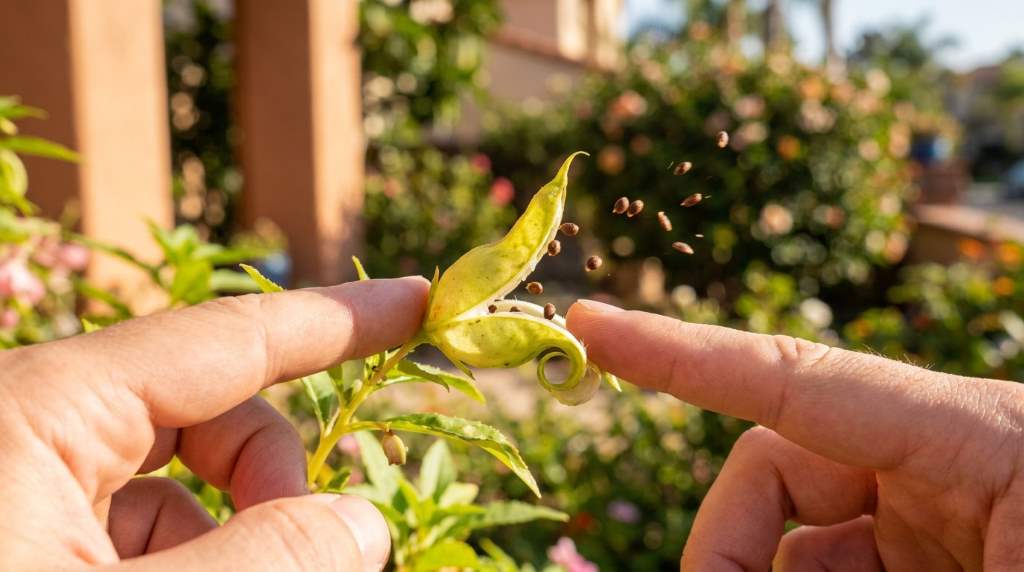
Why Homeowners in San Diego, CA Love Touch-Me-Not Plants
San Diego homeowners are always searching for plants that thrive in mild coastal climates while adding something unique to their gardens. Interestingly, studies show that over 65% of homeowners prefer low-maintenance plants that still offer visual appeal and interaction. That’s where the fascinating Mimosa pudica, also known as the touch-me-not plant, stands out. Many residents are now exploring the benefits of mimosa pudica plant for both aesthetic and practical reasons. Its responsive leaves and adaptability make it a favorite among gardeners across the region. Moreover, it fits perfectly into San Diego’s eco-conscious lifestyle trends.
What Makes Touch-Me-Not Plants Unique?
The touch-me-not plant is unlike most garden plants because it reacts instantly to touch. When someone brushes against its leaves, they fold inward within seconds, creating a living, moving display. This unique trait not only fascinates children but also adds a playful element to outdoor spaces. Additionally, this plant naturally reopens after a short period, making the interaction repeatable and engaging. Homeowners appreciate this rare feature because it turns a simple garden into an interactive experience. As a result, it becomes a conversation starter during gatherings.
Another reason for its popularity lies in its compact growth habit. The plant does not require large spaces, making it ideal for patios, balconies, and small gardens. Furthermore, it can be grown in pots, which suits urban living conditions in San Diego. Its delicate pink flowers also enhance its visual appeal without overwhelming surrounding plants. Because of its manageable size, gardeners can easily reposition it based on sunlight needs. This flexibility adds to its practicality for homeowners.

Ideal Climate Conditions in San Diego
Thrives in Coastal Weather
San Diego’s Mediterranean climate provides the perfect environment for Mimosa pudica. The region experiences mild winters and warm summers, which align well with the plant’s growth requirements. Unlike many tropical plants, it does not demand excessive humidity to survive. Therefore, it adapts well to the coastal air and moderate temperatures. Homeowners find this adaptability especially useful because it reduces the need for constant monitoring. As a result, the plant becomes a reliable addition to any garden.
Handles Sunlight Efficiently
Touch-me-not plants perform best in partial sunlight, which San Diego offers abundantly. While they enjoy bright conditions, they also tolerate some shade during peak afternoon heat. This balance makes them suitable for various garden layouts. For example, they can thrive under pergolas, near windows, or alongside taller plants. Because sunlight exposure remains consistent throughout the year in San Diego, the plant maintains steady growth. Consequently, homeowners enjoy predictable results without seasonal stress.
Low Maintenance Appeal
One of the biggest reasons homeowners love this plant is its low maintenance nature. Unlike high-demand ornamental plants, Mimosa pudica requires minimal watering and care. It thrives with basic attention, making it ideal for busy individuals. Additionally, it does not require frequent pruning to maintain its shape. This simplicity allows even beginner gardeners to succeed. Therefore, it serves as a perfect entry point into gardening.
Another advantage is its resilience against common pests. While no plant is completely immune, Mimosa pudica tends to face fewer infestations compared to other decorative species. This reduces the need for chemical treatments, which aligns with eco-friendly gardening practices. Moreover, it contributes to a healthier outdoor environment for families and pets. Because of this, homeowners feel more confident incorporating it into their spaces. Over time, this reliability builds trust in the plant’s performance.
Educational and Interactive Value
Perfect for Families
Families in San Diego often choose plants that offer educational value for children. The touch-me-not plant serves as a natural science lesson right in the backyard. When children observe how the leaves react to touch, they learn about plant sensitivity and movement. This hands-on experience encourages curiosity and exploration. Additionally, it creates opportunities for parents to teach basic biology concepts. As a result, the plant becomes both decorative and educational.
Encourages Outdoor Engagement
In a digital age, encouraging outdoor activities can be challenging. However, interactive plants like Mimosa pudica naturally draw people outside. Children and adults alike enjoy observing its movements repeatedly. This simple interaction fosters a stronger connection with nature. Furthermore, it makes gardening more engaging and less routine. Because of this, homeowners find themselves spending more time outdoors.
Aesthetic Benefits for Modern Gardens
Touch-me-not plants bring a soft, delicate beauty to any landscape. Their feathery leaves and small pink flowers create a gentle visual contrast against bolder plants. This makes them ideal for layered garden designs. Additionally, they complement both modern and traditional landscaping styles. Because of their subtle appearance, they enhance rather than overpower surrounding elements. Therefore, they fit seamlessly into diverse garden themes.
Homeowners also appreciate how these plants add movement to otherwise static spaces. When touched or exposed to wind, their leaves shift and fold, creating dynamic visuals. This movement adds depth and interest to gardens. Moreover, it provides a calming effect that many people find soothing. As a result, gardens feel more alive and interactive. This emotional connection increases overall satisfaction with outdoor spaces.
Environmental Benefits
Supports Eco-Friendly Gardening
San Diego residents increasingly prioritize sustainable gardening practices. Mimosa pudica aligns well with this trend due to its low resource requirements. It does not demand excessive water, which is crucial in drought-prone areas. Additionally, it grows well without heavy fertilizer use. This reduces environmental impact while maintaining plant health. Consequently, it becomes a responsible choice for eco-conscious homeowners.
Improves Soil Health
Another benefit of this plant is its contribution to soil quality. As a member of the legume family, it helps fix nitrogen in the soil. This natural process enhances soil fertility over time. Therefore, it benefits not only itself but also nearby plants. Gardeners often use it as part of a broader soil improvement strategy. This added value makes it more than just a decorative plant.
Versatility in Garden Design
Touch-me-not plants adapt easily to various garden styles and layouts. Whether used in containers, borders, or mixed beds, they integrate smoothly. Their compact size allows for creative placement without overcrowding. Additionally, they work well alongside succulents, herbs, and flowering plants. This versatility makes them a favorite among landscape designers. As a result, homeowners can experiment with different arrangements confidently.
Another advantage is their suitability for indoor gardening. With proper lighting, Mimosa pudica can thrive indoors as well. This flexibility allows homeowners to enjoy its features year-round. Furthermore, indoor placement protects it from extreme weather conditions. Because of this, it becomes a reliable option for diverse living environments. This adaptability increases its overall appeal.
Health and Wellness Benefits
Promotes Relaxation
Gardening itself offers therapeutic benefits, and interactive plants enhance this experience. Watching the touch-me-not plant respond to stimuli creates a calming effect. This simple interaction helps reduce stress and anxiety. Additionally, spending time caring for plants promotes mindfulness. As a result, homeowners experience improved mental well-being. This makes the plant a valuable addition to wellness-focused lifestyles.
Encourages Mindful Living
The presence of responsive plants encourages people to slow down and observe their surroundings. This mindful approach improves overall quality of life. Homeowners often find joy in small, daily interactions with their garden. Furthermore, it fosters a deeper appreciation for nature. Because of this, the plant contributes to a more balanced lifestyle. Over time, these benefits become increasingly noticeable.
Practical Tips for Growing Mimosa Pudica in San Diego
Growing touch-me-not plants successfully requires a few simple practices. First, ensure the soil drains well to prevent root rot. Sandy or loamy soil works best in San Diego conditions. Additionally, water the plant moderately, allowing the soil to dry slightly between watering sessions. This prevents overwatering issues. As a result, the plant remains healthy and vibrant.
Second, place the plant in an area with partial sunlight. Too much direct heat can stress the leaves, especially during summer afternoons. Therefore, consider positioning it where it receives morning sun and afternoon shade. Also, use lightweight containers if growing in pots for easy movement. This flexibility allows you to adjust conditions as needed. Consequently, you can maintain optimal growth.
Quick Care Checklist
- Use well-draining soil
- Water moderately, not excessively
- Provide partial sunlight
- Avoid extreme heat exposure
- Use containers for flexibility
Common Challenges and Solutions
While Mimosa pudica is generally easy to grow, it can face occasional challenges. For example, overwatering can lead to root issues, which weaken the plant. To avoid this, monitor soil moisture regularly and adjust watering accordingly. Additionally, insufficient sunlight may slow growth or reduce leaf responsiveness. Therefore, ensure proper placement in your garden. These simple adjustments can resolve most issues.
Another potential concern is temperature fluctuation. Although San Diego’s climate is stable, occasional cold snaps can affect the plant. In such cases, moving potted plants indoors can help. Furthermore, using mulch can regulate soil temperature effectively. These strategies protect the plant from stress. As a result, it continues to thrive throughout the year.
Why It’s Perfect for San Diego Homes
San Diego homeowners value plants that combine beauty, functionality, and ease of care. Mimosa pudica meets all these criteria while offering something unique. Its interactive nature sets it apart from traditional garden plants. Additionally, its adaptability ensures consistent performance in local conditions. Because of this, it fits seamlessly into the region’s lifestyle. This combination of traits drives its growing popularity.
Moreover, the plant aligns with modern preferences for sustainable and engaging outdoor spaces. Homeowners want gardens that require less effort but deliver more value. Mimosa pudica achieves this balance effectively. It enhances both visual appeal and user experience. Therefore, it becomes a practical and enjoyable choice. Over time, its benefits become even more apparent.
Conclusion
Touch-me-not plants have quickly become a favorite among San Diego homeowners for good reason. They offer a rare blend of interaction, beauty, and low maintenance that suits modern lifestyles. Additionally, they thrive in the region’s climate while supporting eco-friendly practices. Whether you want to enhance your garden’s appeal or create an engaging outdoor space, Mimosa pudica delivers excellent results. Start incorporating this fascinating plant into your home today and experience its unique charm firsthand. Take action now and transform your garden into a lively, interactive sanctuary.
FAQs
What is a touch-me-not plant?
It is a sensitive plant that folds its leaves when touched, known scientifically as Mimosa pudica.
Can Mimosa pudica grow indoors?
Yes, it grows well indoors with sufficient light and proper care.
How often should I water it?
Water moderately and allow the soil to dry slightly between watering.
Is it safe for pets?
It is generally safe, but it is best to monitor pets around any plant.
Does it need fertilizer?
It benefits from occasional light feeding but does not require heavy fertilization.


