What is a Lawn Mower Roller?
A lawn mower roller is a cylindrical attachment—often made of steel or heavy-duty plastic—mounted on the back or front of a mower. Its primary function is to press down the grass after cutting, creating those iconic, clean-looking stripes you see on professional sports fields. While simple in design, the roller serves multiple purposes beyond aesthetics. It enhances lawn health, improves cutting consistency, and delivers a finished look that boosts curb appeal.
Many homeowners underestimate the value of a roller, assuming it’s purely cosmetic. However, experts argue it plays a key role in lawn care maintenance. According to the Turfgrass Science division at Penn State University, even weight distribution from rollers prevents uneven grass growth and encourages root development.
Why Lawn Mower Rollers Matter: Not Just About Looks
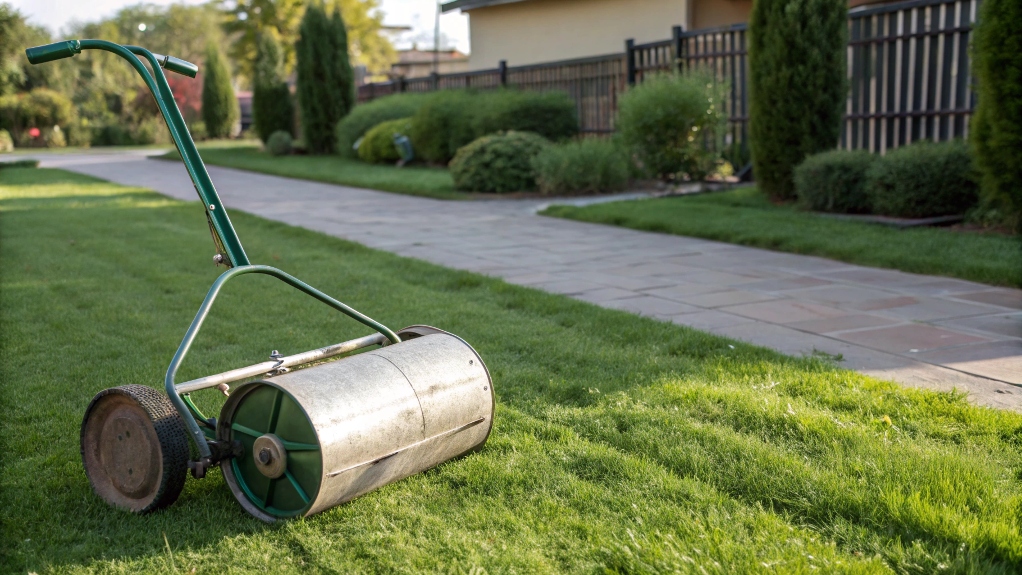
Visually, rollers provide striped patterns that scream professional maintenance. These stripes are created by bending the grass blades in alternating directions. The light and dark contrast results from sunlight reflecting differently on the bent blades.
But functionally, there’s more going on. Garden professionals like David Hedges-Gower, a UK-based lawn care expert, point out that rollers can:
- Help flatten molehills and worm casts
- Improve lawn leveling after the winter frost
- Push seeds into soil after overseeding
Adding a roller to your mower doesn’t just elevate lawn appearance. It enhances uniformity and supports even mowing, especially in bumpy or uneven terrains. When combined with regular aeration and fertilization, rolling helps improve the lawn’s structure.
Types of Lawn Mower Rollers
Lawn mower rollers vary based on mower types and lawn needs. They can be categorized into:
- Integrated Rollers: Found in high-end rotary or cylinder mowers, designed for regular stripe creation.
- Tow-Behind Rollers: Used with riding mowers or lawn tractors, ideal for large gardens or fields.
- Push Rollers: Manual rollers for small lawns, usually filled with water or sand to add weight.
Each type offers unique benefits. For example, tow-behind rollers provide more pressure for compacting soil, while push rollers are more affordable and versatile for smaller gardens.
Lawn Health and Roller Impact
Overrolling can damage a lawn if done improperly. Soil compaction is a common concern. According to the University of California’s Agriculture and Natural Resources Department, compacted soil reduces air exchange and water infiltration, suffocating grass roots.
However, when used moderately, rollers offer notable advantages:
- Encourage dense turf growth
- Eliminate air pockets after sod installation
- Improve mowing quality by ensuring an even surface
Therefore, timing is crucial. Experts recommend using a roller at the beginning of the growing season or after heavy rain when the soil is pliable.
Real-World Use Cases and Results
Sports fields and golf courses provide clear examples of roller usage. Groundskeepers at venues like Wimbledon or the Augusta National Golf Club rely on rollers for flawless, uniform surfaces.
Homeowners are catching on. A 2022 survey by LawnStarter found that 43% of respondents considered lawn striping a sign of a well-maintained yard. Yet only 12% owned a roller, pointing to a growing interest but low adoption rate.
DIY gardeners on forums like LawnSite.com share before-and-after photos showing dramatic differences after adding rollers. These transformations aren’t just visual. Many reported fewer mowing passes and better overall lawn texture.
Are Rollers Suitable for All Lawns?
Not every lawn benefits from a mower roller. Sandy or overly dry soil can become too compacted. Similarly, new lawns under 6 months old shouldn’t be rolled unless leveling is required.
Clay-heavy soils also demand caution. Overuse of rollers in these conditions can cause waterlogging and poor drainage. It’s vital to assess your soil composition before deciding.
That said, for established lawns with loamy or silty soils, rollers are incredibly effective. Lawn care professionals recommend testing soil with a simple screwdriver—if it penetrates easily, rolling is generally safe.
Professional Tips for Using Lawn Mower Rollers
To get the most out of your lawn mower roller, follow these tips:
- Use during moist but not wet conditions to avoid soil compaction.
- Alternate striping direction to prevent grass leaning permanently.
- Avoid rolling more than twice a year unless fixing specific issues.
- Clean the roller regularly to prevent buildup of debris or turf diseases.
If using a tow-behind model, make sure it’s properly balanced. An uneven roller can damage the turf or scalp the lawn.
Featured Snippet: What Is a Lawn Mower Roller?
Q: What is a lawn mower roller and why should you use one?
A lawn mower roller is a cylindrical tool attached to the back or front of a lawn mower that flattens grass after cutting. It creates striped patterns by bending the blades of grass in alternate directions. These stripes not only enhance visual appeal but also help level the lawn and press seeds into the soil after overseeding. When used correctly, rollers promote healthy grass growth and a consistent mowing finish. However, excessive use can lead to soil compaction, especially in clay-heavy or dry soils. For best results, roll during early spring or fall and only on established lawns.
Read More Also: Five Things to Know About English Cottage Gardens
7 Frequently Asked Questions About Lawn Mower Rollers
Do lawn mower rollers actually improve lawn health?
Yes, by helping with lawn leveling, pressing seeds into the soil, and encouraging even growth.
Can I add a roller to any lawn mower?
Not all mowers support rollers, but many aftermarket options exist for push and ride-on models.
How heavy should a lawn mower roller be?
Weight depends on the job—40 to 60 lbs for small lawns, up to 200 lbs for large or uneven terrain.
Will rolling damage my lawn?
Only if overused or applied to dry, compacted, or new turf.
How often should I use a lawn mower roller?
Twice a year is ideal—early spring and fall—unless fixing bumps or pressing seeds.
What pattern is best for striping a lawn?
Alternating horizontal stripes create the cleanest and most professional look.
Is striping only for aesthetics?
Mostly yes, but it can also show mowing direction and help reduce turf stress from repeated passes.
Final Thought
A lawn mower roller is more than just a fancy lawn care gadget—it’s a practical, multi-purpose tool for anyone seeking professional-level turf. Whether you want that stadium-like finish or just a smoother cut, a roller delivers results. However, like all tools, its effectiveness depends on how and when you use it. Understanding your lawn’s needs, soil type, and mowing habits will help you determine if this tool is worth the investment. With the right care and timing, a roller can transform an average yard into a neighborhood showpiece.